Compare Local Contractors for Demolition Services Effectively
Compare local contractors to define your demolition scope, verify experience, and set clear expectations in writing for a successful project.
Demolition services encompass a wide range of work, including the controlled tearing down of structures such as residential buildings, commercial complexes, or specific interior components. These projects often involve safely removing existing structures, clearing debris, and preparing sites for future construction or renovation. When planning a demolition, it’s important to clearly define the scope of work, including which parts of a property need to be demolished, the methods to be used, and any considerations for remaining structures or site conditions. Establishing these details upfront helps ensure that the project proceeds smoothly and aligns with the property owner’s intentions.
Defining the scope of demolition work is a crucial step in selecting the right service provider. A well-detailed scope clarifies what is included and what is not, reducing misunderstandings and providing a basis for comparing different contractors. It should specify the extent of demolition, the types of materials involved, and any specific requirements such as handling hazardous materials or preserving certain elements. Having this information in writing helps property owners verify that prospective contractors understand the project’s needs and can deliver the expected results.
Property owners seeking demolition services should take the time to compare local contractors carefully. This involves reviewing their experience with similar projects, asking for references or examples of past work, and verifying their familiarity with local regulations and site conditions. It’s also beneficial to evaluate how each contractor communicates and whether they provide clear, detailed proposals that outline the scope of work. By gathering this information, property owners can make informed comparisons and choose service providers who demonstrate the expertise and professionalism needed to handle their demolition project effectively.
Compare local contractors by outlining your project priorities, verifying experience, and setting clear scope expectations in writing.
- Define Project Scope - clearly outline the demolition requirements to ensure understanding with potential contractors.
- Verify Experience - assess the background and previous work of local contractors to match project needs.
- Compare Service Providers - review different contractors based on expertise, reputation, and project approach.
- Set Written Expectations - document all project details, responsibilities, and deliverables to establish clear agreements.

Clearly describe your demolition project to effectively compare local contractors, verify their experience, and set written expectations.
- Verify experience and credentials of local contractors specializing in demolition services. - Ensure contractors have a proven track record of completing similar demolition projects safely and effectively.
- Define the scope of work clearly and in writing to set expectations for the demolition process. - Detailed scope documents help prevent misunderstandings and ensure all parties are aligned on project requirements.
- Compare multiple service providers to assess their expertise, reputation, and scope of services offered. - Gathering information from different local contractors helps identify the most suitable match for the project.
- Request references or reviews to evaluate the quality and reliability of previous demolition work. - Feedback from past clients provides insight into the contractor’s performance and professionalism.
- Confirm that contractors have appropriate equipment and resources to handle the demolition safely and efficiently. - Proper tools and machinery are essential for completing the job according to plan and safety standards.
- Ensure that all project details, including scope, responsibilities, and expectations, are documented in a formal agreement. - Written contracts help protect all parties and serve as a reference throughout the demolition project.
Compare local contractors, define project scope clearly, and verify experience to ensure successful demolition.
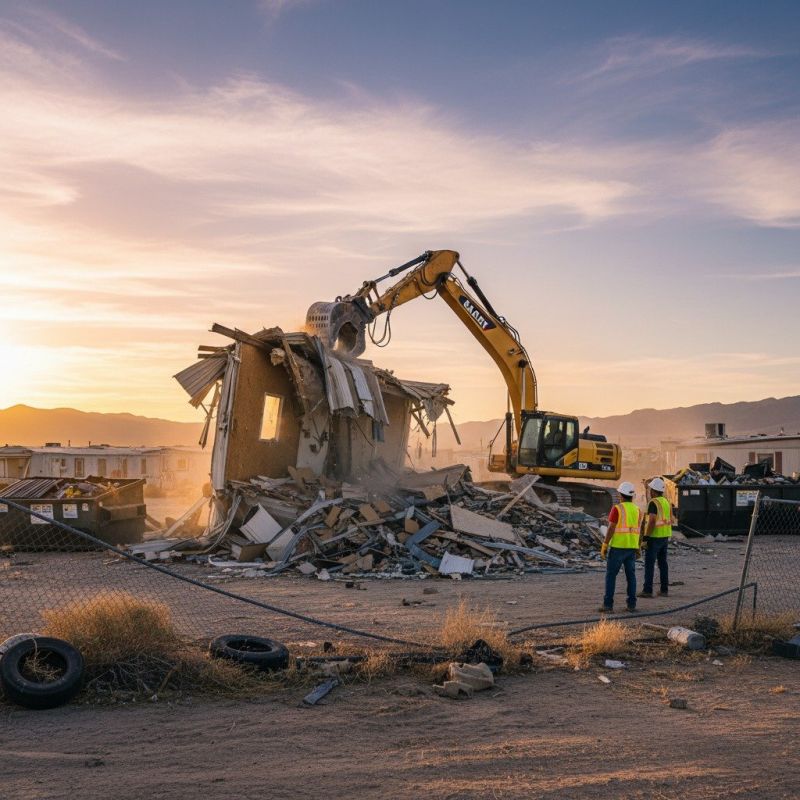


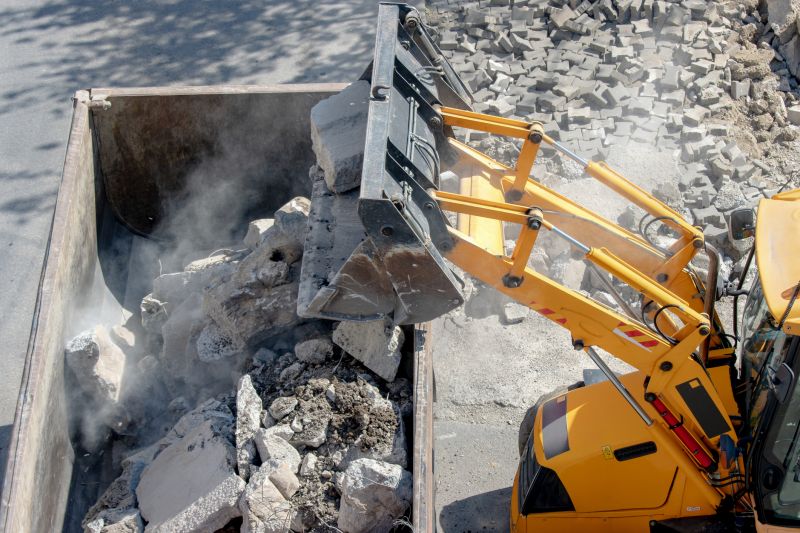
Use clear scope definitions and experience verification to compare local contractors consistently and set accurate expectations.
- Define the scope of demolition services needed to ensure clarity on the extent of work and specific areas to be demolished.
- Verify the experience and expertise of local contractors to confirm their ability to handle demolition projects similar in scope and complexity.
- Establish detailed project expectations in writing to outline work procedures, safety considerations, and site preparation requirements.
- Assess the availability of local service providers capable of managing the demolition process within the project's parameters.
- Compare different contractors based on their scope definitions, experience, and written proposals to select the most suitable service provider for the job.
When evaluating demolition service contractors, it’s important to consider their experience with projects similar to the scope at hand. Contractors with a history of handling comparable structures or materials are more likely to understand the unique challenges involved. Inquiring about past projects that resemble the current job can provide insight into their familiarity with the specific requirements, safety considerations, and potential obstacles. This background helps ensure the contractor has the practical knowledge necessary to manage the demolition efficiently and effectively.
A clear, written scope of work is essential for setting expectations and avoiding misunderstandings. A detailed document should outline the specific tasks, materials involved, site conditions, and any necessary preparations or exclusions. Having this scope in writing provides a reference point for both parties and helps ensure that everyone shares a common understanding of what the demolition entails. When comparing service providers, it’s beneficial to review how thoroughly each contractor defines their scope and whether they are willing to document the details explicitly.
Verification basics are key to assessing a contractor’s reliability and professionalism. While licensing and certification are not the focus here, it’s wise to verify that the contractor has a solid reputation within the community. Checking references or past client feedback can reveal how well they have performed on similar projects. Additionally, confirming that the contractor maintains proper insurance coverage and adheres to safety standards can provide peace of mind. These verification steps help identify service providers who are experienced, responsible, and capable of managing the complexities of demolition work.
When comparing options, it’s helpful to evaluate how each contractor communicates and how well they understand the project’s scope. Look for service providers who ask pertinent questions, offer detailed explanations, and provide comprehensive written proposals. This demonstrates their professionalism and commitment to clarity. Avoid focusing solely on cost; instead, prioritize how thoroughly each contractor understands the project, their experience with similar jobs, and their ability to deliver a clear plan. Making an informed comparison based on these factors can lead to a more successful demolition process.
Ask contractors to provide written scope of work to ensure clear expectations and consistent project details.
- Experience and Specialization - What specific demolition projects have the contractors handled and what is their area of expertise?
- Scope of Services - How do contractors define the scope of work to ensure all demolition needs are covered?
- Permitting and Compliance - Do the contractors have experience navigating local regulations and securing necessary permits?
- Project Management Approach - How do service providers plan to coordinate different phases of the demolition process?
- Written Agreements - Are the scope, responsibilities, and expectations clearly outlined in a written contract?
What should I consider when choosing a demolition contractor? It's important to review the contractor’s experience, verify their scope of work, and ensure all project details are clearly outlined in writing to set proper expectations.
How can I compare different demolition service providers? Comparing local contractors involves examining their credentials, scope of services, and how thoroughly they define project requirements in their proposals.
Why is it important to define the scope of demolition work? Clearly defining the scope helps prevent misunderstandings, ensures all necessary tasks are included, and provides a basis for comparing bids and services.
What questions should I ask a demolition contractor before hiring? Ask about their experience with similar projects, how they plan to handle the scope, and whether all details will be documented in writing for clarity.
How can I verify a contractor’s experience in demolition projects? Check references, review past project descriptions, and seek details about their previous work to ensure they have relevant experience.
What is the benefit of having all project details in writing? Having a written record of scope, expectations, and responsibilities helps ensure transparency and reduces the risk of disputes during the project.
This overview highlights the importance of comparing local contractors for demolition services, understanding the scope of work, verifying experience, and establishing clear expectations in writing. By exploring different options, visitors can make informed decisions about which service providers best meet their project needs. Utilizing the quote form allows for easy comparison of nearby contractors, helping to identify the right professionals for the job.
Taking the time to define the scope, verify experience, and set expectations in writing can help ensure a smoother demolition process. The quote form offers a straightforward way to connect with local service providers, making it easier to evaluate options and find the right fit for your project.